
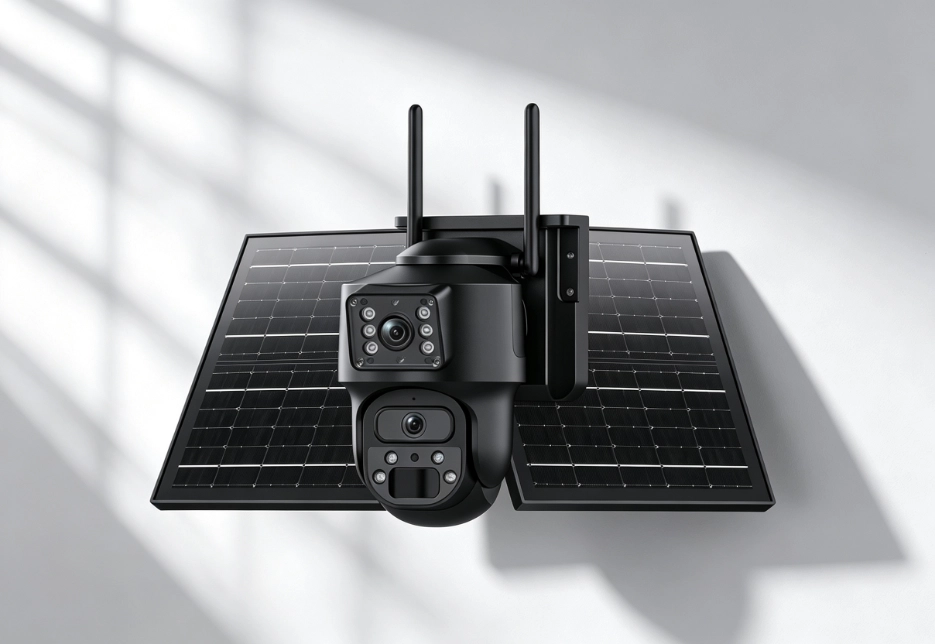
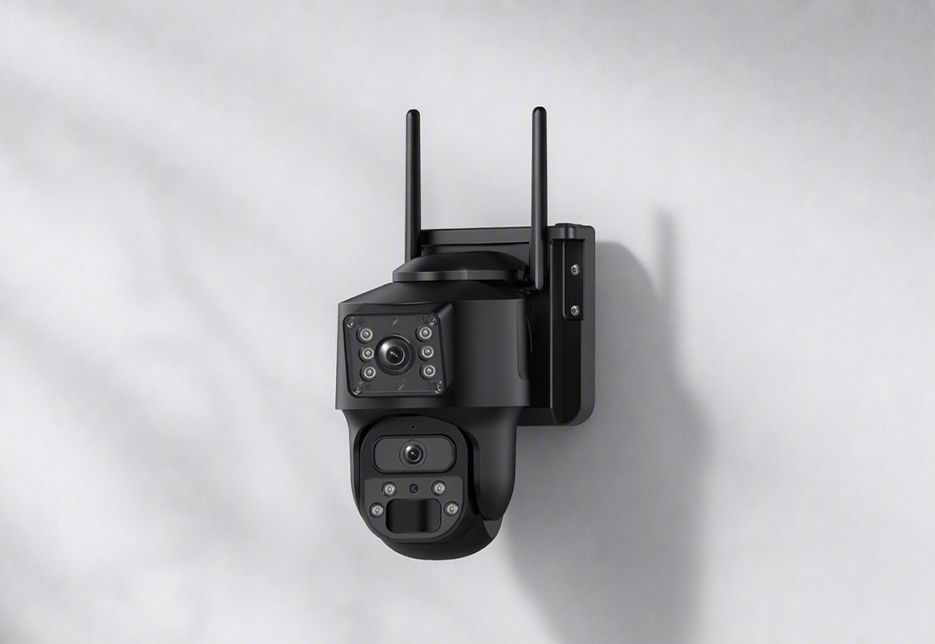
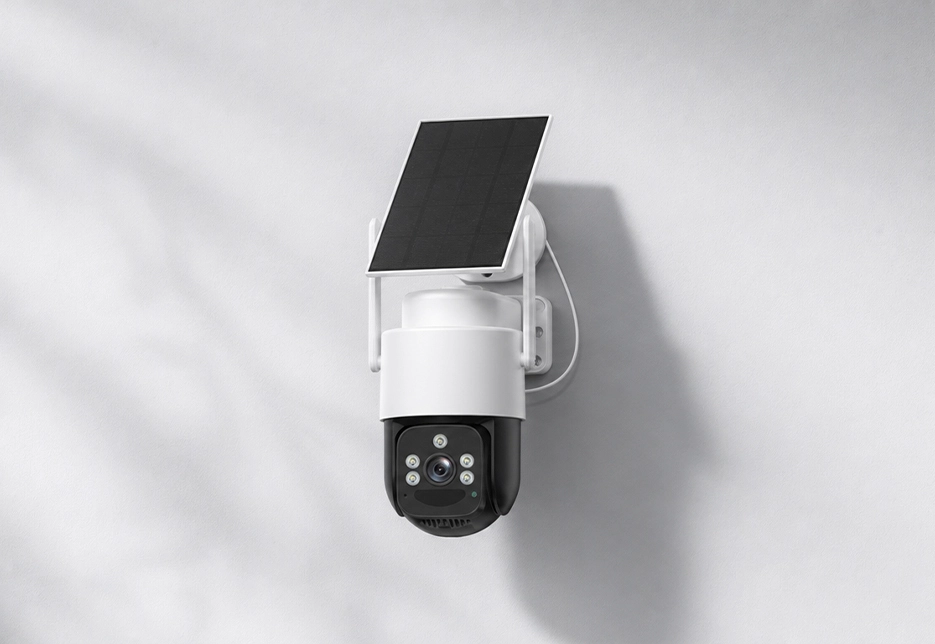
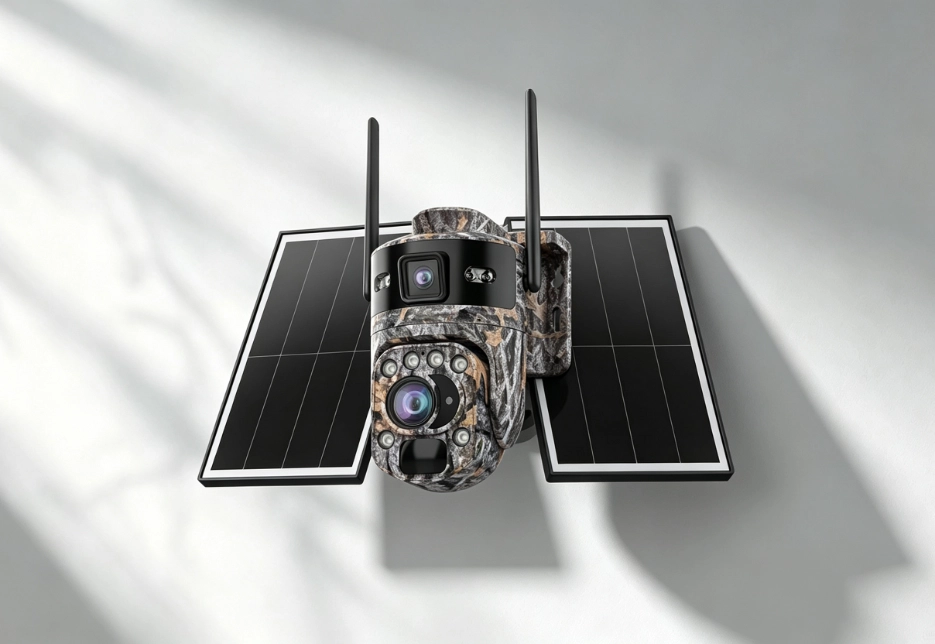
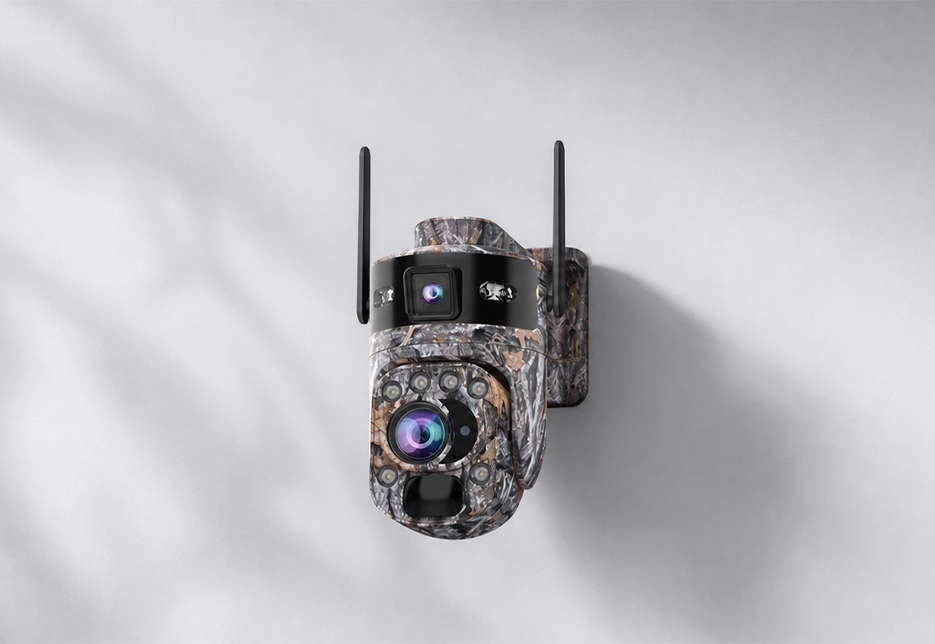
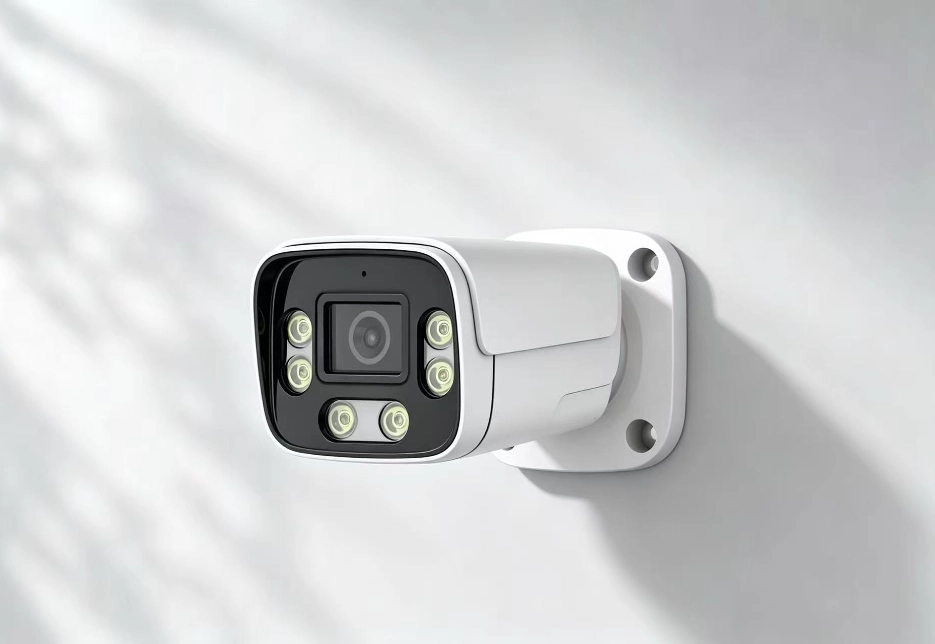
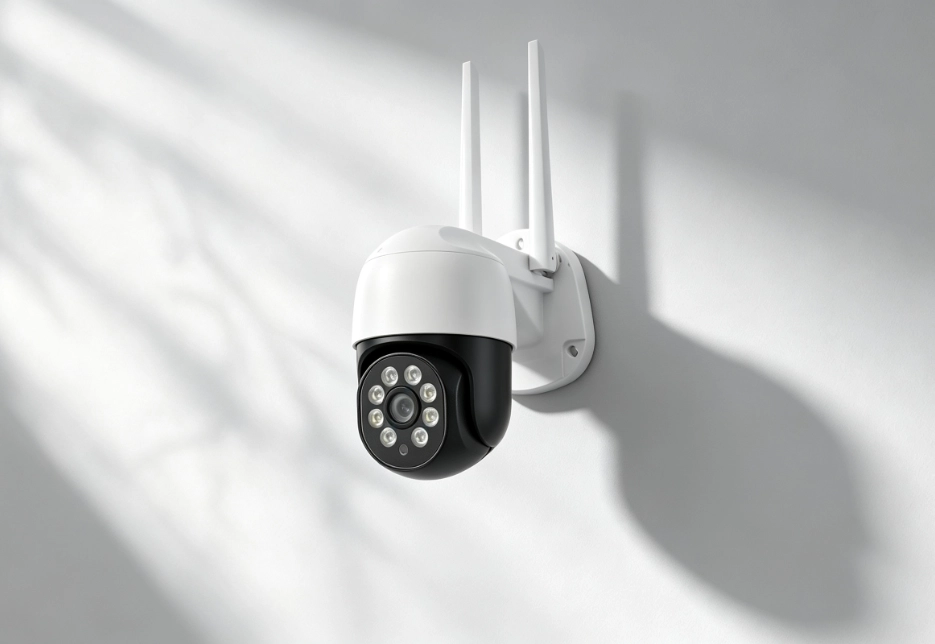
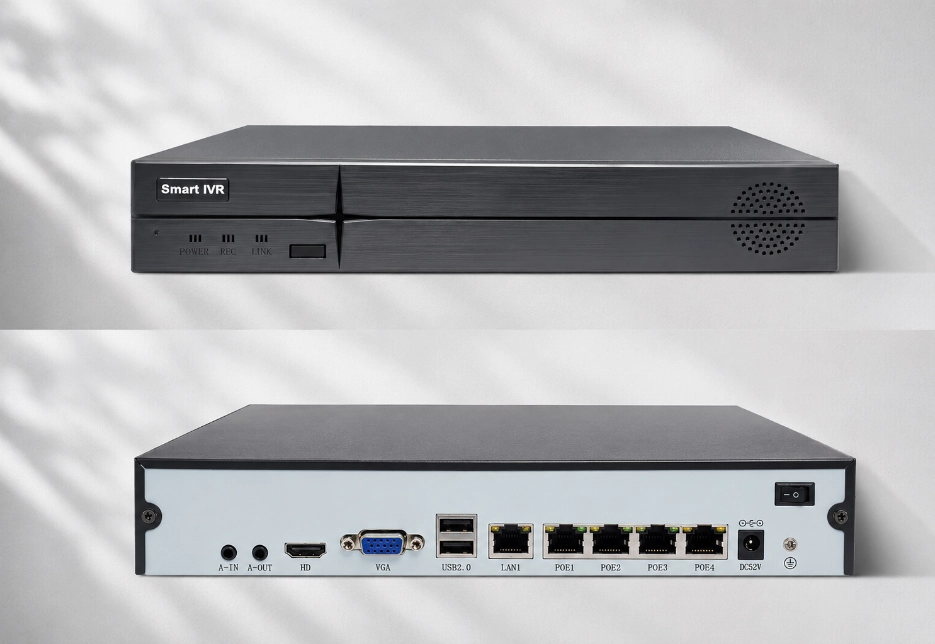
PIR (Passive Infrared) triggers recording by sensing changes in the infrared heat emitted by people/animals, which is more power-efficient and accurate than image-only motion detection. PIR range by model: RV Twinview Wireless: 10-C12 m; RV Ranger PRO Wireless: 10-C12 m; RV FourSight 4G NVR wireless cameras: 20-C30 m.
Frequently Asked Questions
Find answers to common questions about RuggedVision products and support.
Yes. The RV Twinview Wireless and RV Ranger PRO Wireless both support human detection, using human filtering to reduce false alerts from animals, swaying branches and light changes, and support smart tracking/recognition related to people and vehicles. The RV Oracle Ultra Bullet goes further: with a built-in AI algorithm, it can identify people and vehicle types on its own, and you can specify the detection target as “person” or “vehicle.”
With AI tracking enabled, the RV Twinview Wireless / RV Ranger PRO Wireless automatically rotates to follow a person’s movement and keep them in frame, ideal for watching over large areas. The RV Oracle Ultra PTZ supports human tracking + zone-drawing alerts: after you draw a key area in the app, the PTZ automatically patrols and tracks/takes video when it detects a person.
Depending on the model, alert actions include: real-time push notifications in the app (all models); white-light flashing as a deterrent (solar models use white-light illumination for alarm/wake-up recording, which also serves as a deterrent); and audible/visual alarms — the RV Oracle Ultra Bullet supports red-blue flashing lights + siren linkage; email/FTP push: the RV Oracle Ultra Bullet supports FTP image upload and email alerts with attached snapshots; alarm I/O linkage: the RV Oracle Ultra Bullet provides one alarm input and two alarm outputs, so you can connect external devices such as a siren.
Optimize in this order (all in the app): lower the PIR range setting and detection sensitivity; enable human detection / AI human filtering to filter out animal and light-shadow false alarms; set an activity (detection) zone to exclude high-traffic areas like roads and bushes; and adjust the mounting angle to avoid pointing directly at roads, water or highly reflective surfaces.
Yes. The activity zone setting lets you define a specific region to monitor in the frame (polygon selection). Arming schedules: the RV Oracle Ultra Bullet supports all-day / night-only arming modes and per-weekday custom arming times, with up to 4 time periods per day.
Bullet-dome linkage is a signature feature of the RV Twinview Wireless: the camera has both a wide-angle bullet lens (2.8mm, for the full scene) and a movable close-up dome lens (4mm, for detail). After calibrating the pan-tilt in the app, tap any spot on the bullet view and the dome lens automatically turns to that position for a close-up look — “tap where you want to see.”
The RV Oracle Ultra PTZ and RV Oracle Ultra Bullet support five smart event detections: area intrusion — an object enters a defined polygon zone; line crossing — an object crosses a defined tripwire (direction settable); loitering — an object stays in a zone beyond a set duration (10-C3600 s); personnel absence — the number of people in a zone falls below a set threshold for a set duration; and illegal parking — a vehicle stays in a zone beyond a set duration. Each event supports all-day/night arming, weekly scheduling (4 periods per day), detection-zone drawing, person/vehicle target-type selection and alarm linkage.
The RV Oracle Ultra PTZ supports detection-zone and multi-level sensitivity settings; solar models support PIR range levels (5 levels) and detection sensitivity adjustment. We recommend starting from the middle level and fine-tuning based on actual false/missed alarms: lower it if there are too many false alerts, raise it if events are missed.
Yes. Detection works around the clock; at night, IR/white-light illumination keeps the image usable, and PIR and AI detection are unaffected by darkness. The RV Oracle Ultra Bullet also supports a “night arming” mode that can be set to arm only during specific nighttime periods.