
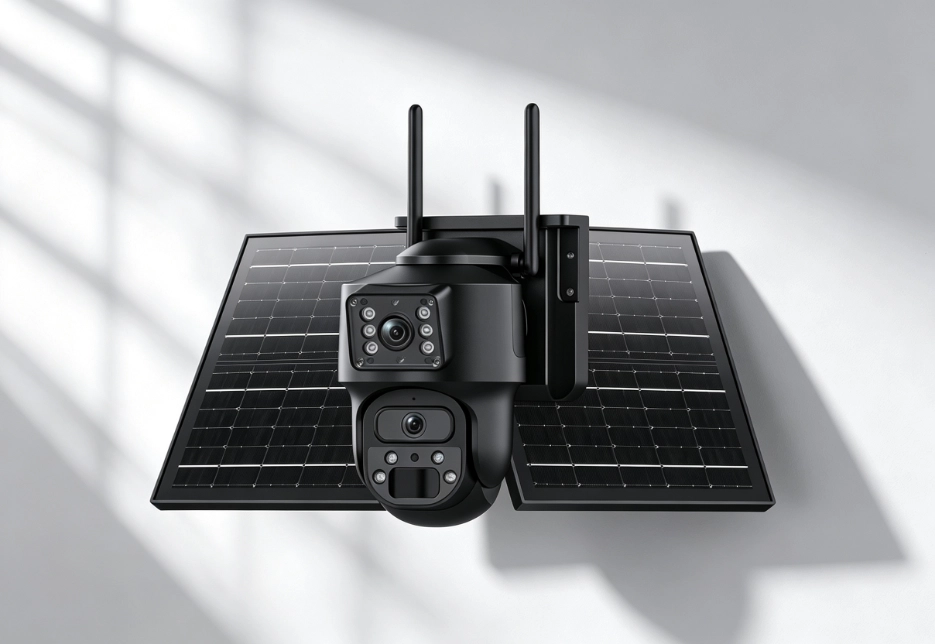
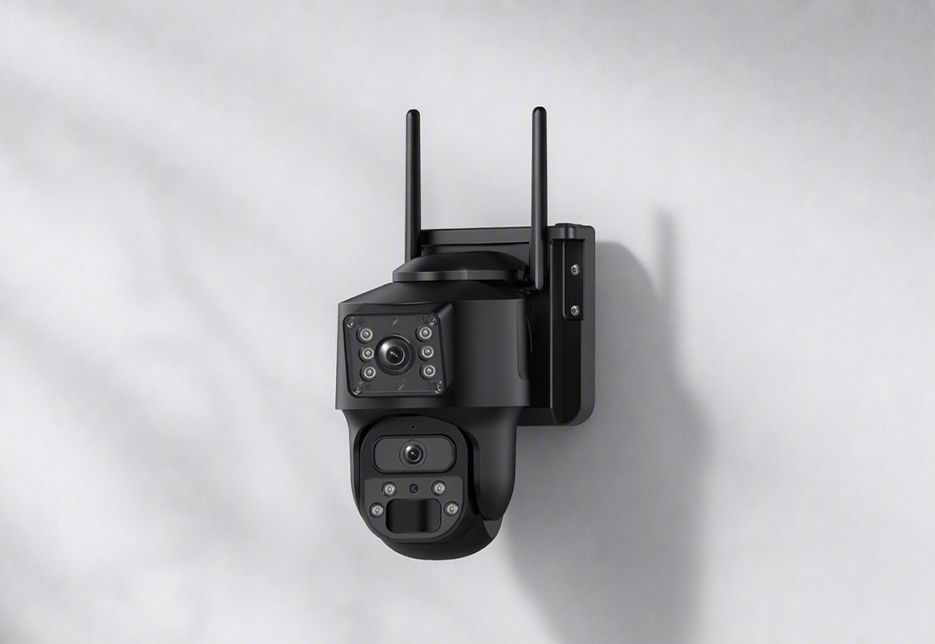
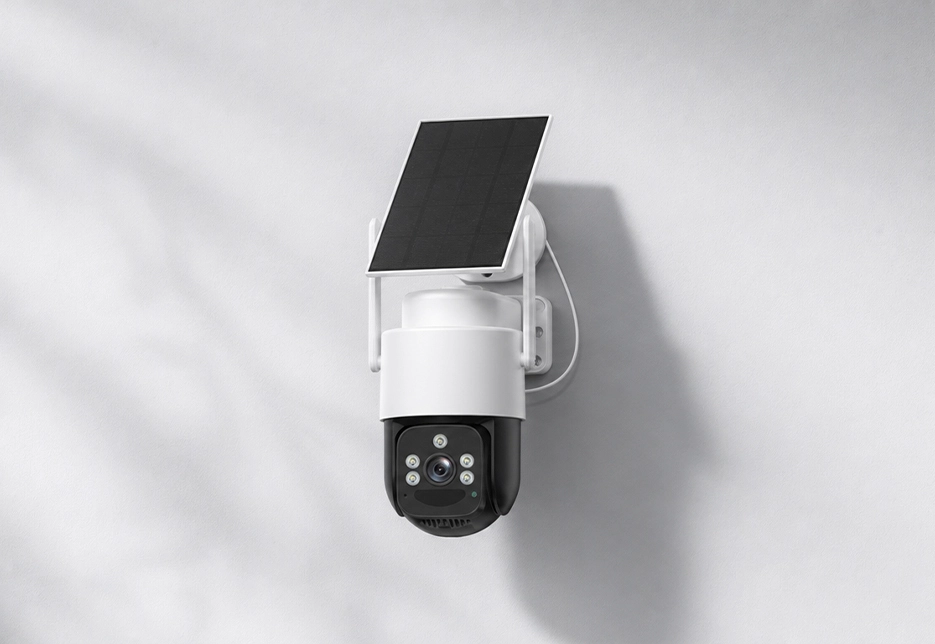
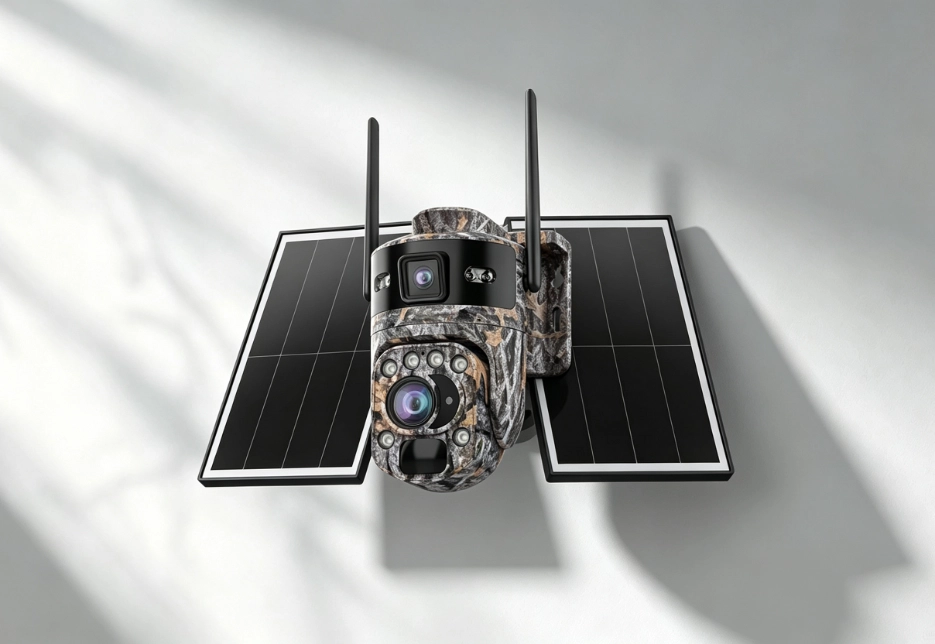
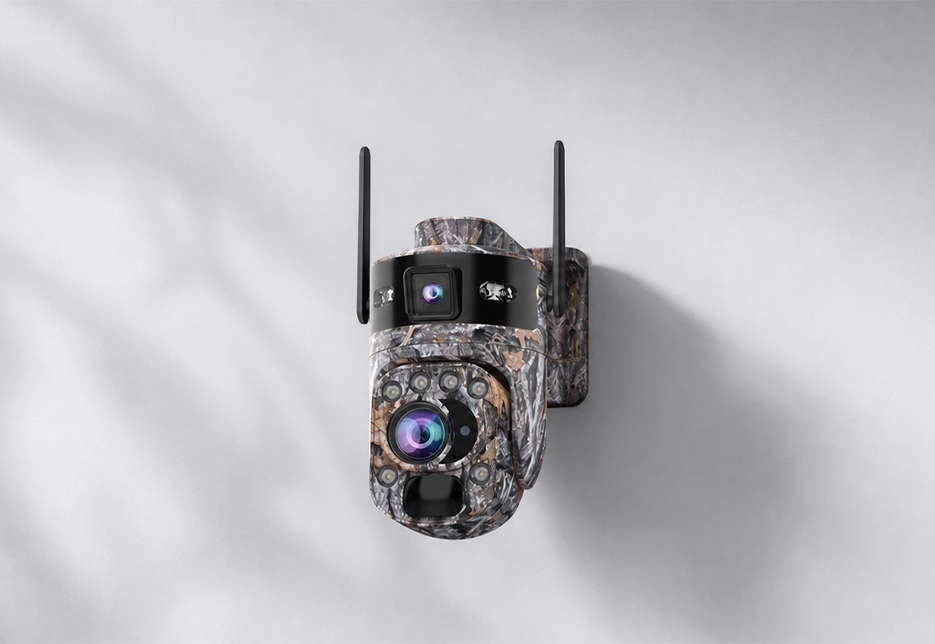
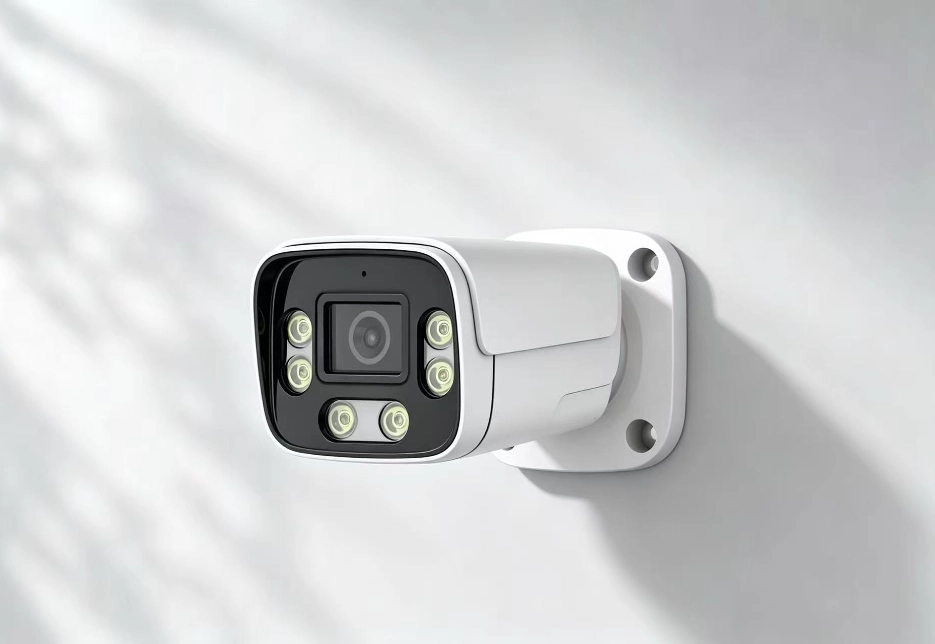
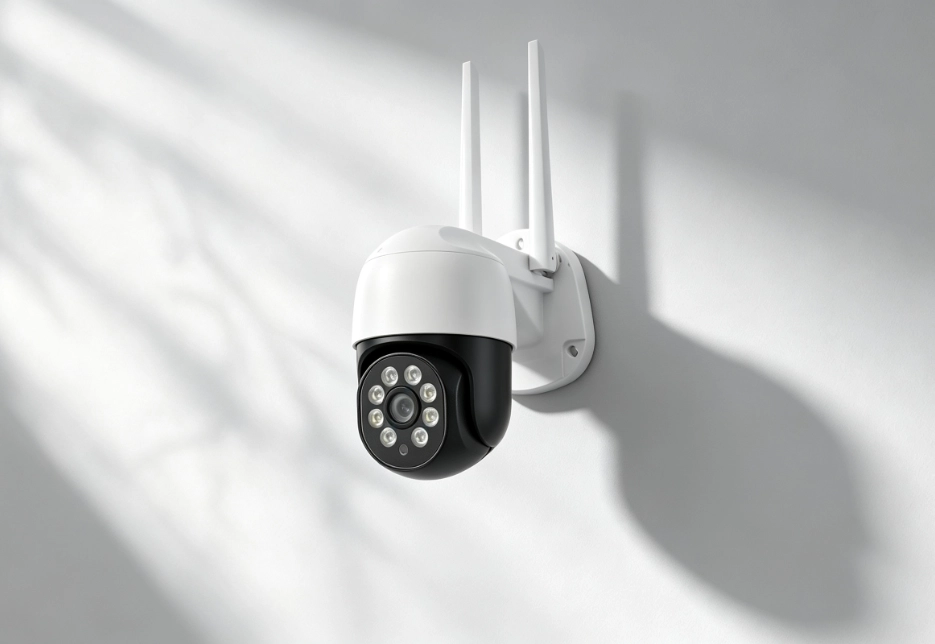
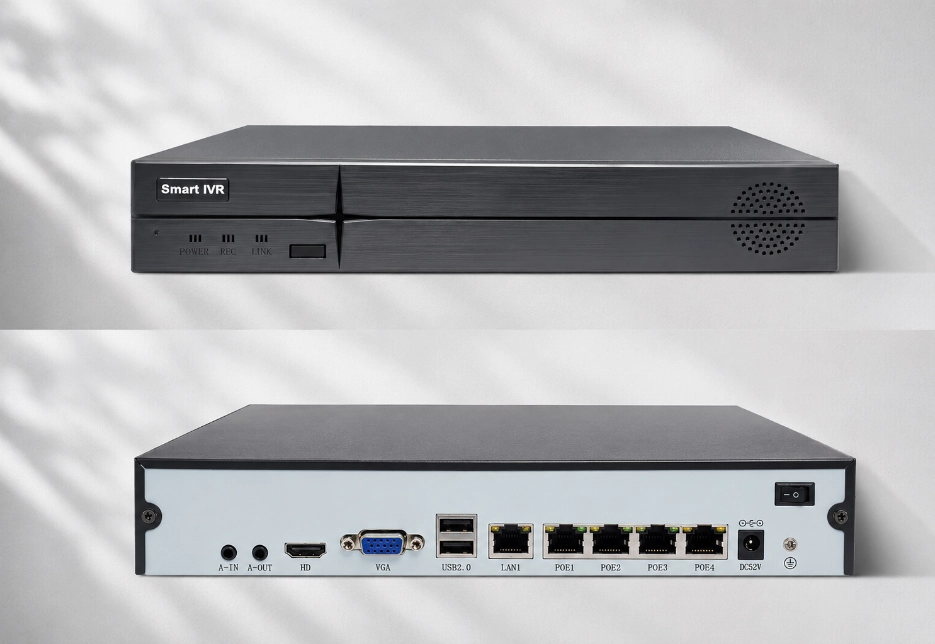
Yes. RV Twinview Wireless: supports 5V/2A Type-C external charging; RV FourSight 4G NVR: supports 5V power and has a Type-C port for fast charging (for emergency top-ups without solar); RV Ranger PRO Wireless: supports 5V/2A Type-C external charging.
Frequently Asked Questions
Find answers to common questions about RuggedVision products and support.
Disassembling the unit yourself may compromise the waterproof seal and void the warranty. If a replacement is needed, contact support@ruggedvision.com to go through the official service process; the factory or an authorized service center will replace the original battery. Self-disassembly is prohibited.
RV Oracle Ultra PTZ: DC 12V/2A adapter; RV Oracle Ultra Bullet: DC 12V, or optional PoE power (over the network cable); RV Vault NVR-04: DC 52V/1.25A, total power consumption –65W; RV Vault NVR-08: DC 52V/2.3A, total power consumption –100W. Be sure to use the original power adapter; incorrect voltage may damage the device.
AOV (Always-On Video) is a low-frame-rate continuous recording technology. A normal battery camera sleeps completely when no motion is detected, so the few seconds before an event are missing; in AOV mode, the camera continuously records at a very low frame rate (e.g., one frame every 1-C60 seconds), running 24/7 so there is always footage to review, while consuming far less power than regular continuous recording. In short: AOV = no gaps in coverage + low power consumption.
Yes. RV Twinview Wireless: AOV frame rate can be set to 1, 1/2, 1/3, 1/5, 1/10, 1/20, 1/30, or 1/60 fps; RV Ranger PRO Wireless: AOV snapshot interval can be set to 1, 2, 3, 5, 10, 20, 30 or 60 seconds (default one frame every 3 seconds), with a capture time of about 100ms. Shorter intervals give smoother, more complete footage but use more power and storage; longer intervals save more power. Adjust flexibly to suit the scene.
AOV is low-frame-rate capture (similar to time-lapse), so playback is choppy and not as smooth as regular video, but resolution and clarity are unaffected. The RV Twinview Wireless / RV Ranger PRO Wireless both record event footage at a normal 15fps. When PIR detects activity, the camera automatically wakes up and records HD event video at 15fps — i.e., “low frame rate on standby, HD recording when something happens.”
When the battery is too low, the device automatically turns off AOV and enters low-power protection: the RV Twinview Wireless threshold is about 20%, and the RV Ranger PRO Wireless about 30%. PIR detection and app remote wake-up still work at this stage, and AOV resumes once power is restored.
AOV footage is stored on the microSD card (or cloud storage) just like event recordings. Its low frame rate means it uses far less space than continuous recording.
For scenarios with hard requirements on continuous recording (storefronts, warehouse entrances, etc.), we recommend always-powered plug-in devices: the RV Oracle Ultra PTZ or RV Oracle Ultra Bullet (4K / high-frame-rate continuous recording), or the RV Vault NVR + PoE camera setup (scheduled continuous recording + event-triggered recording dual modes). The solar models — RV Twinview Wireless, RV Ranger PRO Wireless and RV FourSight 4G NVR — are positioned as “low power + full coverage”, and AOV already covers most security/evidence needs. If outdoor Wi-Fi is weak or sustained power is hard to maintain, a solar model is a good choice.
No, they do not. The wireless cameras bundled with the RV FourSight 4G NVR use a PIR wake-up mechanism (20-C30 m detection range) and record only when triggered; the RV FourSight 4G NVR recording modes are scheduled recording and motion-detection recording. For always-on snapshot capability, choose the RV Twinview Wireless or RV Ranger PRO Wireless.