
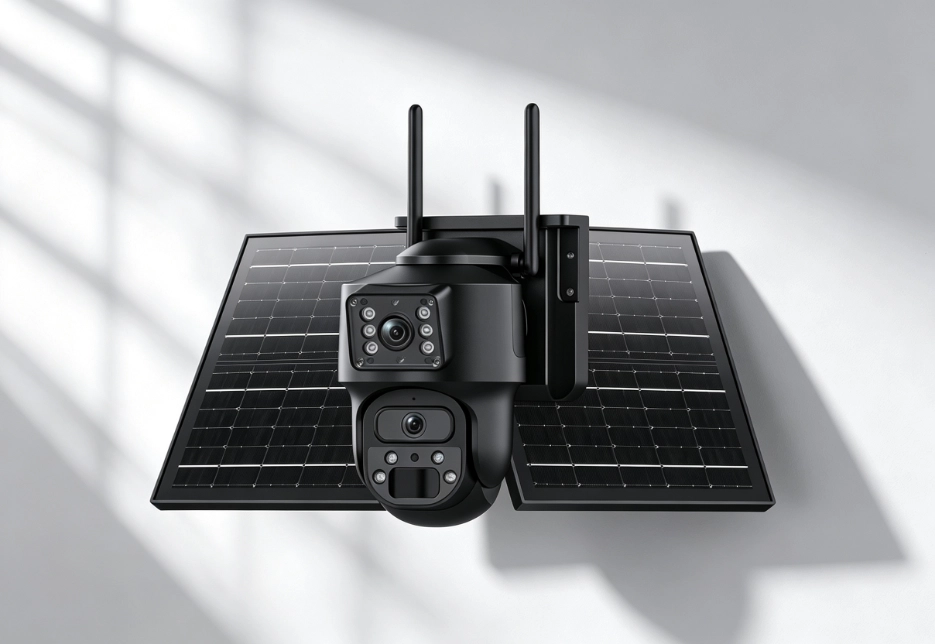
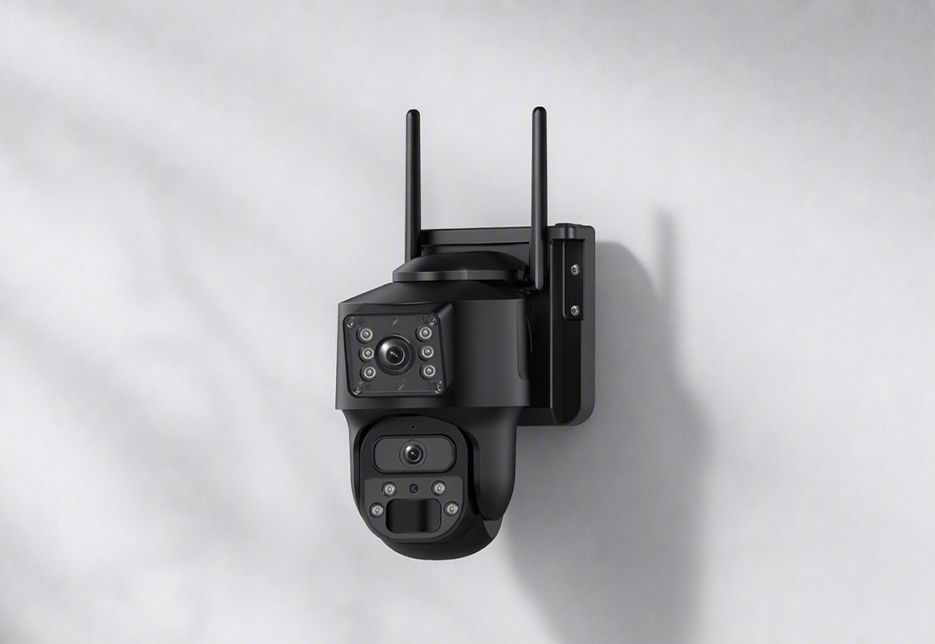
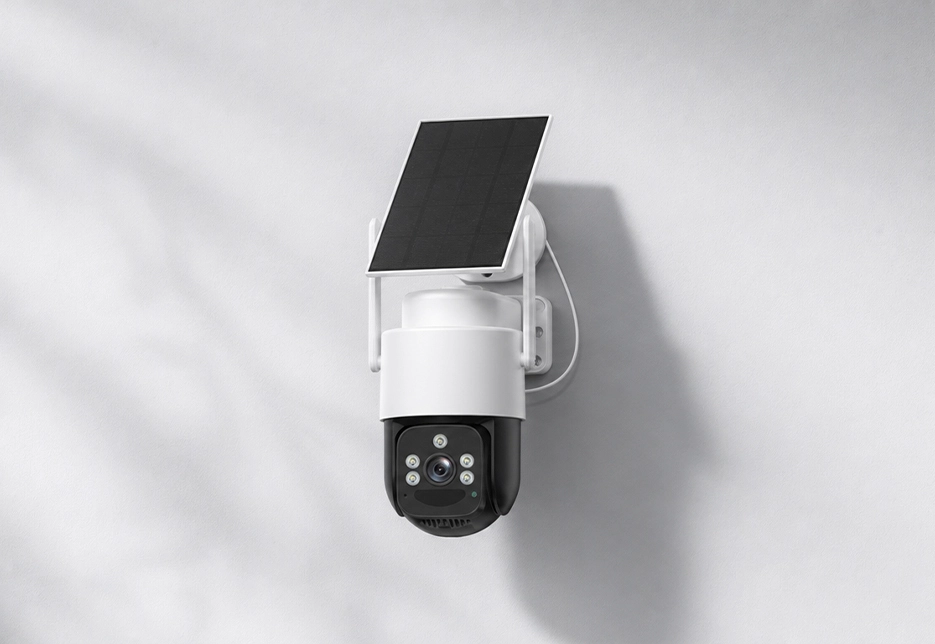
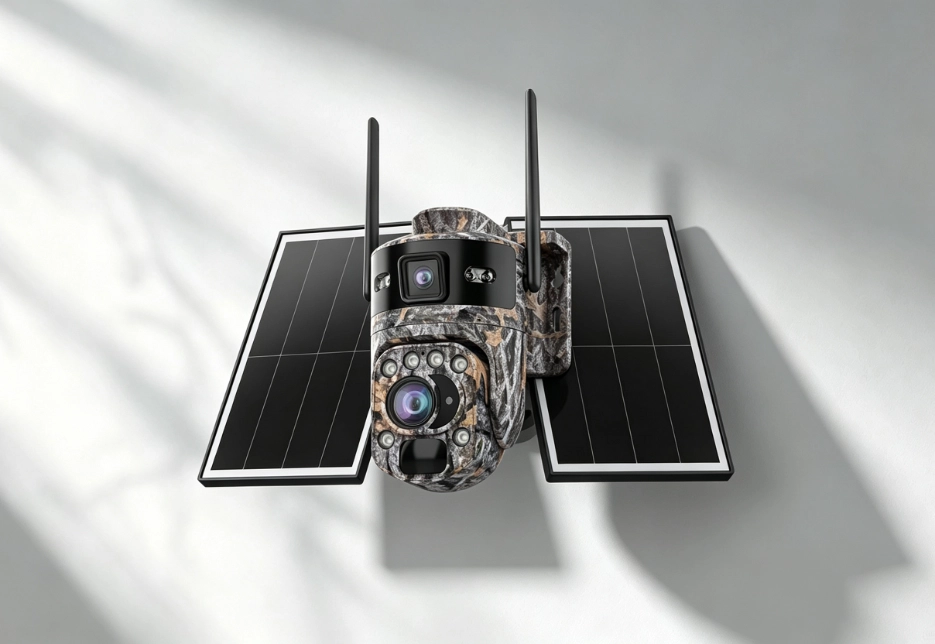
Color Night Vision vs. Black & White Infrared: What You Can Actually See at Night
Every security camera claims “night vision.” Almost none of them can answer the first question anyone asks after an incident: “what color was it?” Here’s the difference — and why it decides whether your footage is evidence or just noise.
Picture the worst-case call to the sheriff’s office. “Someone was in my equipment shed around midnight.” First question they’ll ask: “What were they driving? What were they wearing?”
Now look at your night footage. A gray shape. Maybe a hat-shaped blur. That’s what black-and-white infrared gives you — and it’s exactly why we build our cameras around full-color night vision.
How Black & White Infrared Works — and Where It Breaks
Infrared night vision is clever engineering: the camera floods the scene with invisible IR light, the sensor picks up the reflection, and the image renders in monochrome. You get to see in the dark without lighting up the yard.
But the color information is gone — permanently. Not darkened. Gone. The sensor never captured it. That creates three real problems:
- No identification. A gray hoodie and a red hoodie are the same hoodie. Jeans and dark tactical pants are the same pants.
- No vehicle ID. Black truck, dark blue truck, dark green truck — identical. In a county full of trucks, that’s useless.
- The license plate trap. Plates are retro-reflective — they’re designed to bounce headlight beams straight back. IR light hits them the same way: the plate blooms into a white blob, exactly when you need it most.
How Full-Color Night Vision Works
Color night vision replaces the invisible IR flood with a visible white-light array — think a small, controlled floodlight built into the camera — paired with a sensor and lens that make the most of it. The scene gets lit the same way your headlights light a road, and the sensor captures it in color.
What that buys you at 2 AM:
- Clothing color — “the guy in the red jacket” identifies a suspect; “the guy” doesn’t
- Vehicle color and plate detail — white-light mode doesn’t trigger the IR plate bloom
- Animal vs. person at a glance — no more 3 AM panic over a raccoon
- Built-in deterrence — the light announces that this property is watched
INFRARED (B&W)
What you get
- Covert — no visible light
- Good range in total darkness
- No color, no plate detail
- Plate bloom at night
- Everything is a gray shape
FULL-COLOR (WHITE LIGHT)
What you get
- Real color — clothes, cars, paint
- Usable plate detail + optical zoom
- Visible deterrent effect
- Noticeable light at night
- Evidence, not just footage
The License Plate Fix, Step by Step
Reading a plate after dark is the single hardest job in consumer security footage. Here’s the method that works:
- Use white-light (color) mode — never IR mode. This alone eliminates the plate bloom.
- Add optical zoom. Digital zoom crops pixels; optical zoom keeps them. The Ranger PRO’s 20x optical zoom closes distance on a gate or approach while the plate stays sharp.
- Angle down on the approach — plates read best when the camera looks slightly down at oncoming vehicles, not straight-on at headlights.
- Let the event recording do its job — full 15fps clips when the PIR trips, instead of a single blur frame.
How Far? Real Night Specs From Our Lineup
| Camera | Color Night Vision | IR (B&W) Range | Best For |
|---|---|---|---|
| RV Twinview Wireless (537) | ~33 ft / 10 m | ~65 ft / 20 m | Doors, driveways, yards |
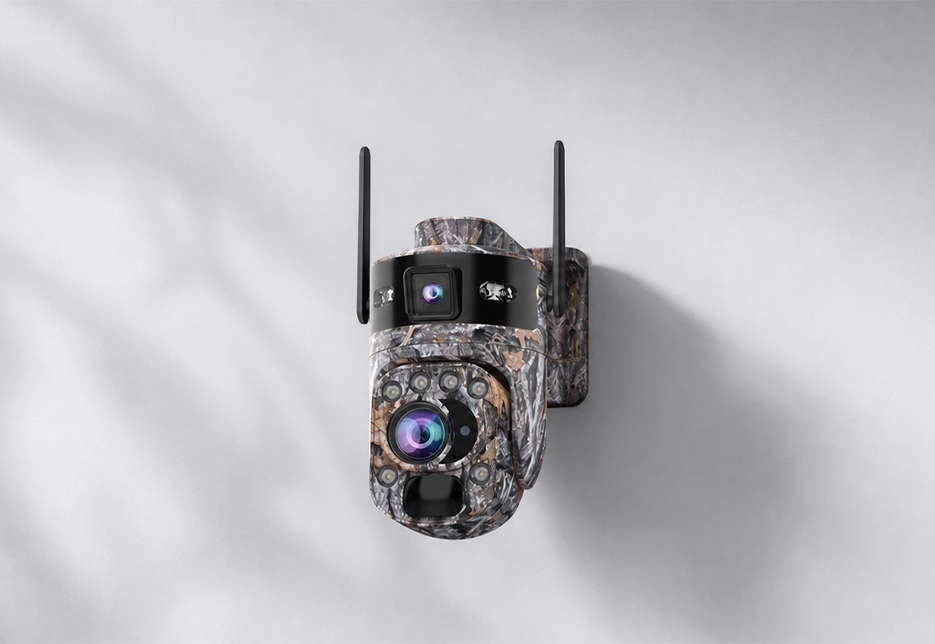
| RV Ranger PRO (637) | up to ~328 ft / 100 m | Dual mode (IR + white light) | Long approaches, gates, open land |
| FourSight cameras | White-light color mode | ~492 ft / 150 m transmission view | Multi-point farm & site coverage |
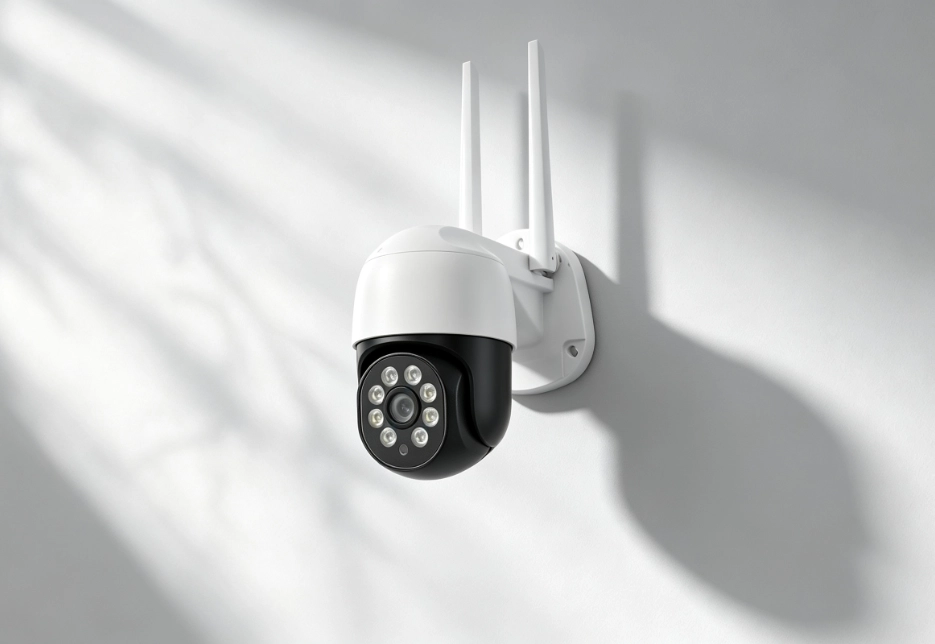
| Oracle Ultra PTZ | ~98 ft / 30 m | Dual light array | Patrol yards, powered installs |
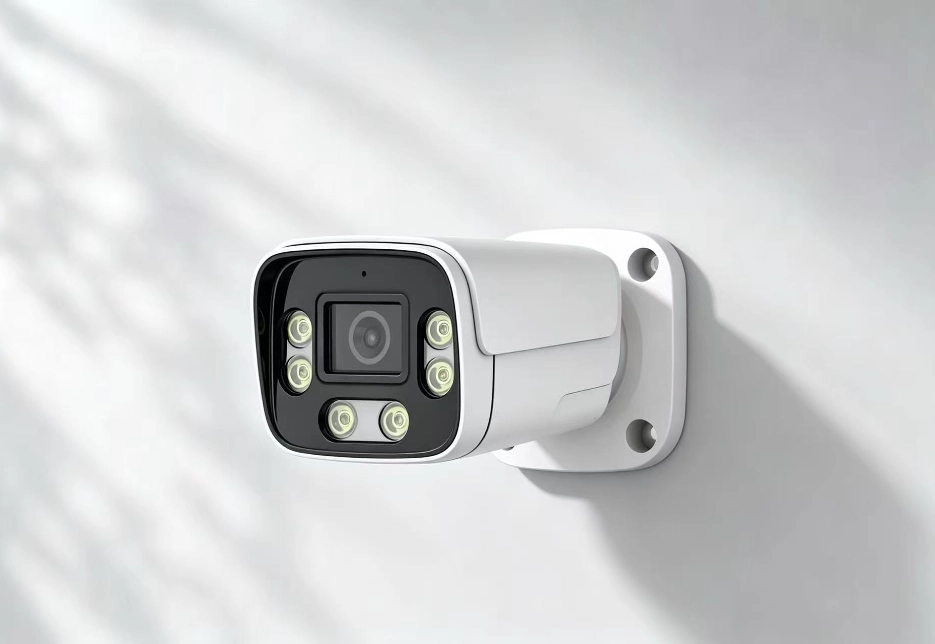
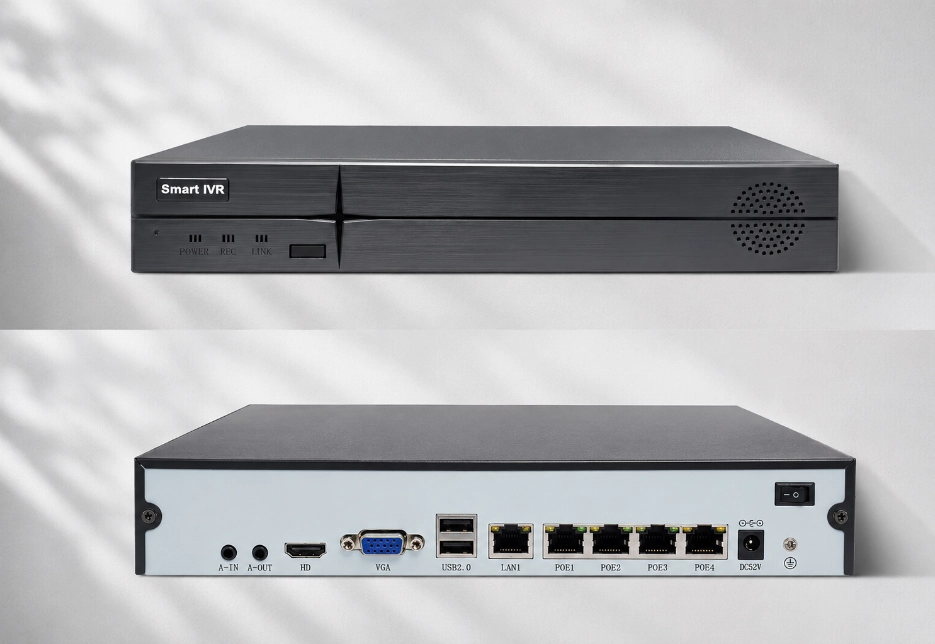
| Oracle Ultra Bullet (OF88AI) | Warm-light mode, 0–100% brightness | ~98 ft / 30 m, Smart IR anti-bloom | Plate reading, NVR systems |
Ranges depend on placement and ambient light — mount high, angle down, and keep the lens and light array clean.
So Which Do You Need?
Simple decision rule:
- You want to identify people and vehicles (which is the point) → color night vision
- You need covert monitoring with zero visible light → IR mode, which most of our cameras also carry as a fallback
- You want both → models like the 637, FourSight and Oracle line run dual light systems — white light when you want evidence, IR when you want stealth
That dual-mode design is deliberate. See what happened — in color, not shadows. But when you’d rather watch without being seen, the infrared is still there.
Hi, this is a comment.
To get started with moderating, editing, and deleting comments, please visit the Comments screen in the dashboard.
Commenter avatars come from Gravatar.