
4G Cellular vs. WiFi vs. Wired PoE Security Cameras: Which One Fits Your Property?
Three connection types, three totally different ownership experiences. Here’s the no-hype comparison — power, install cost, reliability, and where each one wins — so you buy the right system the first time.
Most camera shopping mistakes aren’t about the camera. They’re about the connection type. Buy a beautiful WiFi camera for a barn with no router and it’s a paperweight. Run PoE cable to a gate 800 feet out and the trenching bill hurts worse than the camera.
We build all three types at RuggedVision, so we have no dog in this fight — just the trade-offs. Here they are.
The 60-Second Comparison
| 4G Cellular + Solar | WiFi | Wired PoE + NVR | |
|---|---|---|---|
| Needs power? | No — sun + battery | Yes (or battery) | Yes — but one cable does both |
| Needs internet? | No — uses cell network | Yes — router required | Yes — for remote viewing |
| Install cost | Screw it to a post, done | Low — but limited by router range | High — cable runs, possible trenching |
| Running cost | Small data plan | None | None |
| Recording | AOV 24/7 + 15fps events, local SD | Local SD + cloud options | 24/7 full frame rate to NVR HDD (up to 16TB) |
| Best for | Farms, gates, job sites, anywhere without infrastructure | Homes with good router coverage | Buildings with power, maximum evidence quality |
| Weak spot | Data plan; cell coverage required | Range walls, router dependence | Install labor; fixed locations |
Type 1: 4G Cellular + Solar — Freedom With a Data Bill
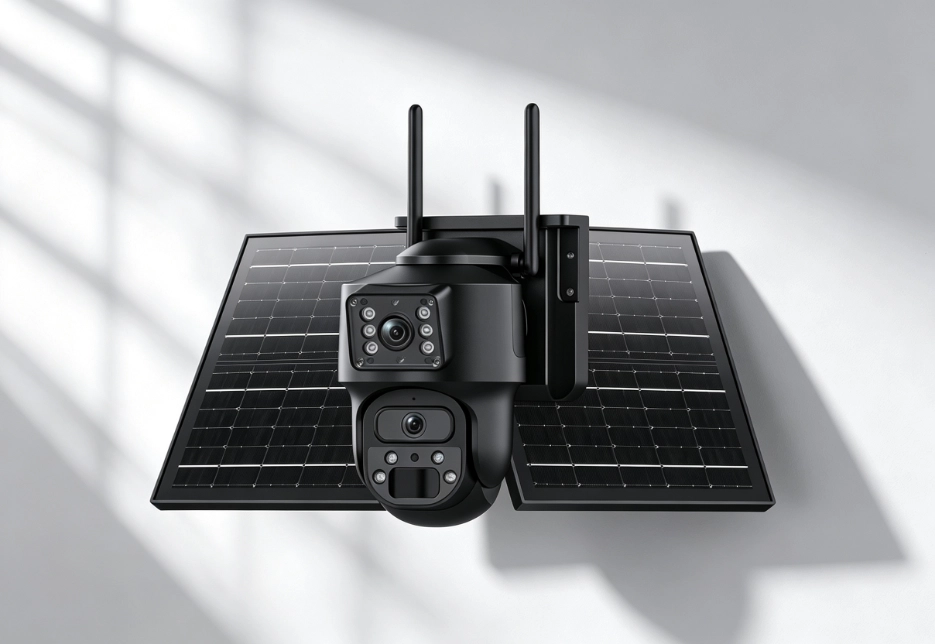
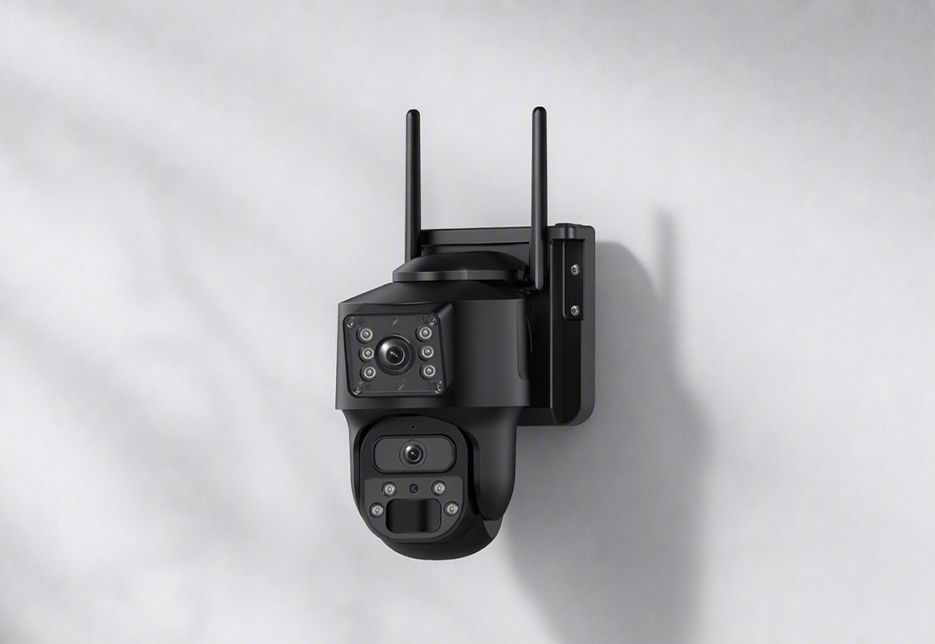
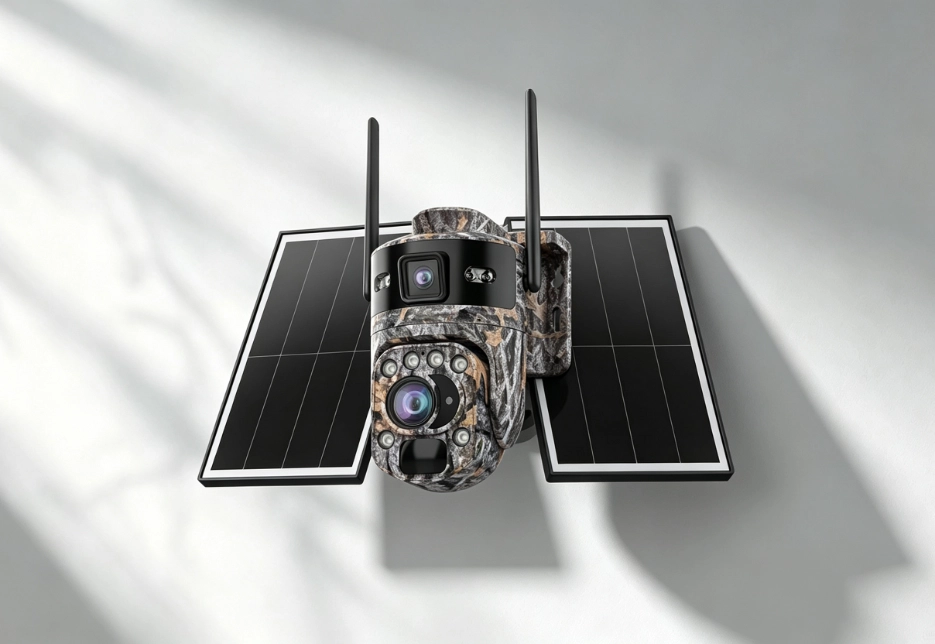
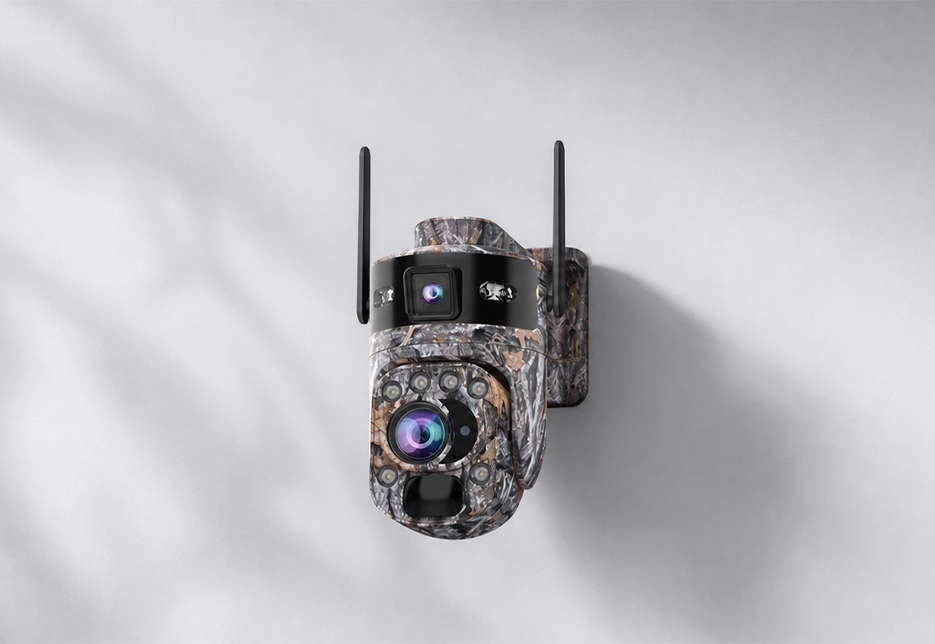
A 4G camera carries its own network. Insert a Nano SIM, mount it anywhere with cell bars, and it streams to your phone over the carrier network — no router, no broadband, no outlet.
- Wins: total location freedom; survives internet and power outages; installs in minutes; AOV (always-on low-frame recording) gives 24/7 coverage without mains power
- Costs: a data plan (ours ship with a 7-day unlimited trial, then app top-ups or your own carrier SIM); performance depends on signal — test 2+ bars before mounting
- Our lineup: Twinview 537 (4G + 2.4GHz WiFi dual-mode), Ranger PRO 637 (4G), and the FourSight system — up to 16 cameras sharing one solar base station
Hidden perk most people miss
Burglars cut internet lines. A 4G camera has no line to cut — it also keeps streaming during the outage that just blinded every wired camera on the block.
Type 2: WiFi — Cheap, Simple, Range-Limited
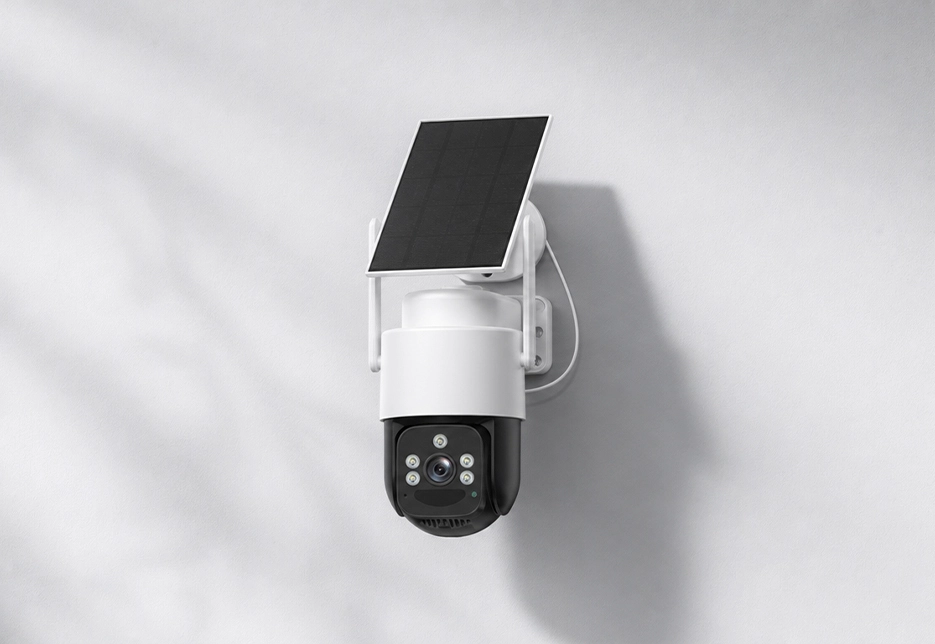
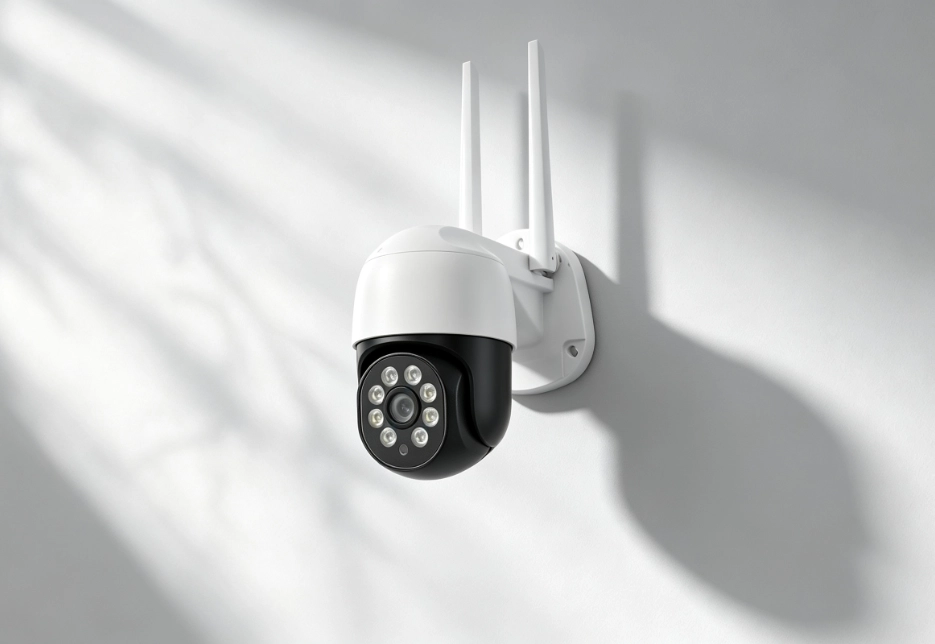
WiFi cameras are the fastest path from box to live view: power them (or run them on battery), pair to your 2.4GHz network, done. They’re ideal within router range — front doors, garages, yards.
- Wins: no data fees; easy self-install; plenty of features per dollar
- Costs: range walls (every exterior wall costs you bars); some models are 2.4GHz-only — check before buying; during an internet outage you keep local recording but lose remote view and alerts
- Our lineup: the 537 doubles as a WiFi camera, so a single unit can start WiFi at the house and move to 4G at the farm; the FourSight base station even runs WiFi6 as a network hub
Type 3: Wired PoE + NVR — Maximum Evidence, Fixed Locations
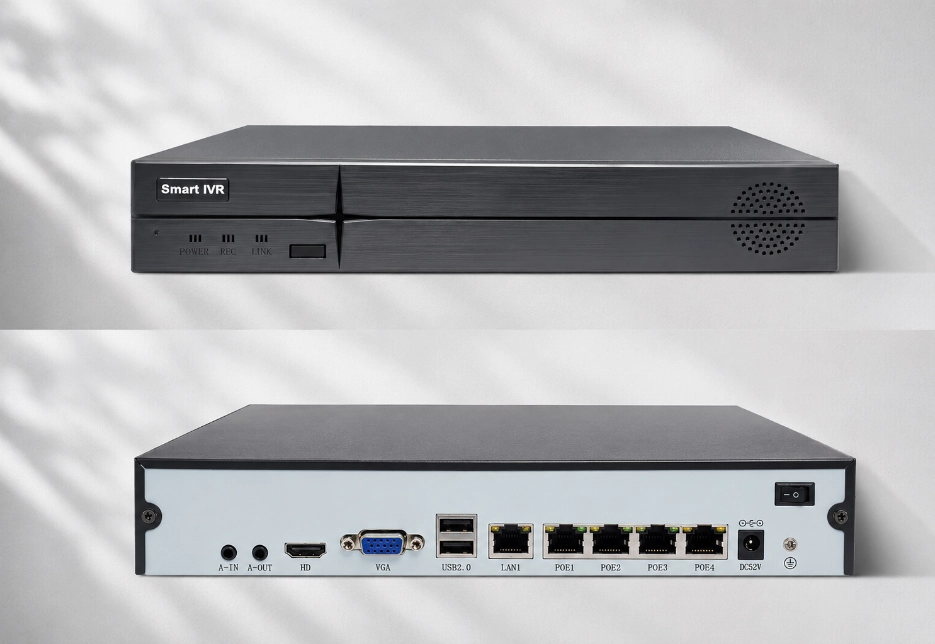
PoE (Power over Ethernet) sends power and data down one cable. No batteries, no WiFi drops, no compression compromises — a PoE camera records 24/7 at full frame rate to an NVR hard drive (our Vault systems take up to 16TB).
- Wins: the most reliable connection in security; zero running costs; best for plate reading and court-grade evidence; NVR features like 200m runs, one-to-many broadcast and multi-screen playback
- Costs: real installation labor — every camera needs a cable run back to the NVR; fixed locations, so it can’t follow your growing property
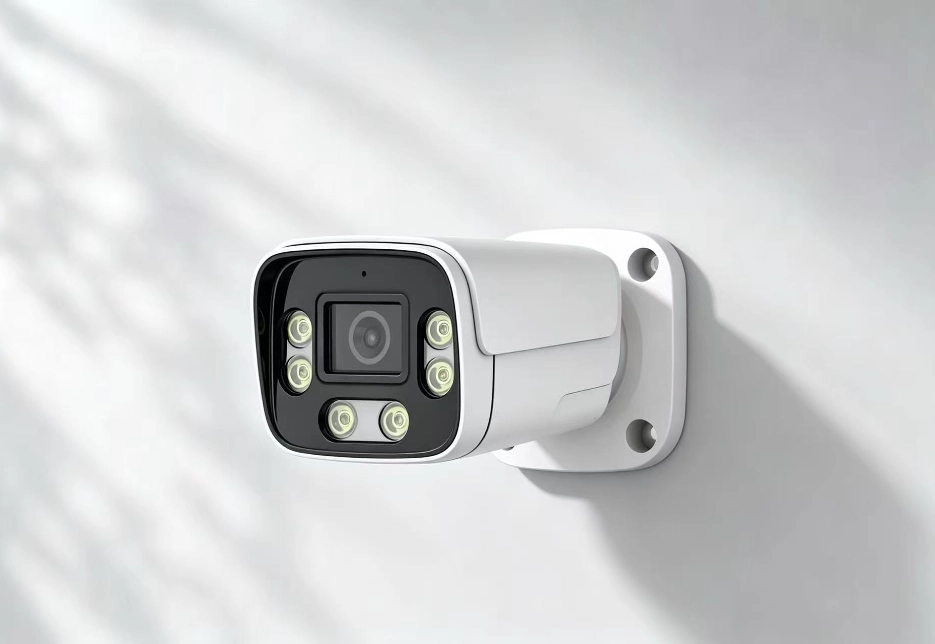
- Our lineup: Oracle Ultra Bullet (4K, AI human/vehicle detection) and Oracle Ultra PTZ (360° patrol, human tracking) into Vault 4 / Vault 8 NVRs
The Decision Rule
Ask one question: “Where does this camera need to live, and what’s already there?”
- No power, no internet, long range → 4G + solar (537 / 637 / FourSight)
- Good router, short range, lowest cost → WiFi
- Has power, permanent post, maximum quality → PoE + Vault NVR
- Big property with both situations → mix them — PoE inside the yard, 4G on the perimeter. Everything views in an app either way.